
-
Replacement blade for saw bow 32 teeth 300mm 2 Units 10504525 Irwin
Vendor:IRWINRegular price 19,00 leiRegular priceUnit price 0,00 lei per54,00 leiSale price 19,00 leiSale -
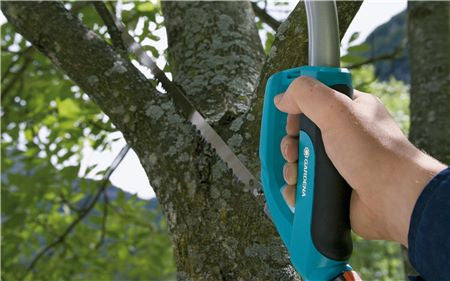
Bow saw 530 Comfort Gardena 8747-20
Vendor:GARDENARegular price 121,00 leiRegular priceUnit price 0,00 lei per163,00 leiSale price 121,00 leiSale -
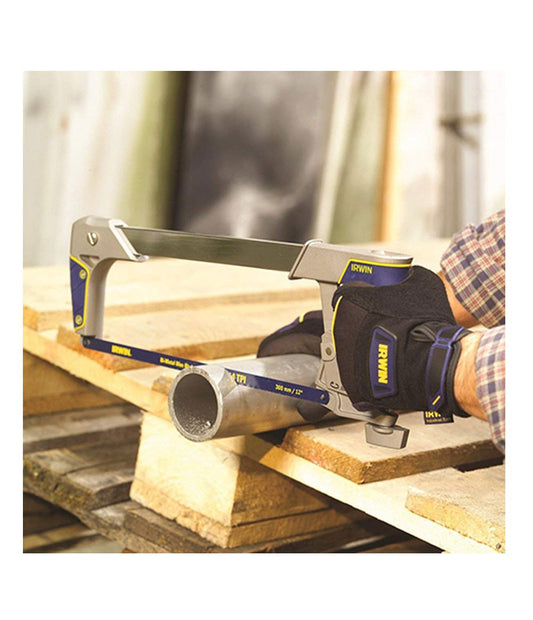
I-75 metal saw bow 10506437 Irwin
Vendor:IRWINRegular price 69,00 leiRegular priceUnit price 0,00 lei per116,00 leiSale price 69,00 leiSale -
Replacement blade for saw bow 24 teeth 300mm 2 Units 10504524 Irwin
Vendor:IRWINRegular price 19,00 leiRegular priceUnit price 0,00 lei per21,00 leiSale price 19,00 leiSold out -
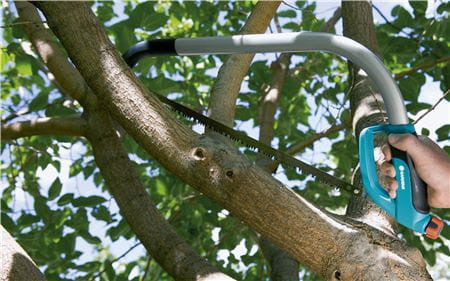
Bow saw 760mm Comfort Gardena 8748-20
Vendor:GARDENARegular price 137,00 leiRegular priceUnit price 0,00 lei per249,00 leiSale price 137,00 leiSale -
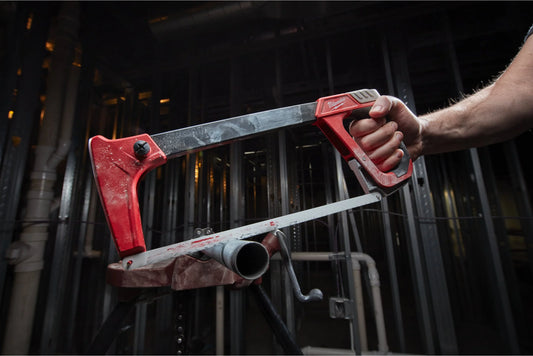
300mm Milwaukee bow saw
Vendor:MILWAUKEERegular price 191,00 leiRegular priceUnit price 0,00 lei per191,00 leiSale price 191,00 lei






Find the perfect bow saw for your cutting jobs
At Brikum, we know all too well that when you get down to work, nothing is more frustrating than a tool that does not measure up. If you are looking for a bow saw capable of keeping up in the garden, or need a metal bow saw that cuts with surgical precision without the blade bending, you have come to the right place. We work with brands we trust completely, such as Milwaukee, Irwin, and Gardena, because we want you to feel that you have invested your money wisely when you buy. Here you will find ergonomic options that are kind to your hand, wallet-friendly deals, and fast shipping so that you can be working comfortably within a couple of days.
A practical guide to choosing the right bow saw
Sometimes it seems that any hand tool can do everything, but reality is very different when you are faced with a stubborn material. Choosing your next bow saw wisely is what will make the difference between finishing the job with a smile and ending up with a tired arm and a crooked cut. It is not just a matter of strength, but of choosing the design that best suits what you have in hand, whether it is a home renovation or maintaining your trees. At our online store, we like to speak plainly and help you get exactly what you need, drawing on our experience advising professionals and DIY enthusiasts.
Understanding the differences between the available models
The first thing you need to be clear about is what you will be cutting most of the time, because the tool's design changes completely:
- Wood or pruning bow saws: are usually taller to allow thick branches to pass through and use blades with large teeth that clear sawdust very easily.
- Professional metal bow saw: are designed to withstand very high blade tension, ensuring that cuts in steel or aluminum profiles are always straight.
- Compact saws: are the best allies for those narrow spaces where a large structure has no room to maneuver.
The importance of tension and grip
One detail we often overlook is how the tool feels in your hand after ten minutes of use. If you are going to buy a metal hacksaw, pay close attention to the handle. Modern models come with coatings that absorb some of the strain and prevent the tool from slipping if your hands get a little sweaty. In addition, a good tensioning mechanism is vital. If the blade wobbles, the cut veers off and you risk it breaking, which not only disrupts the work but can also be dangerous. That is why our catalog only includes models that keep the blade as taut as a piano string.
How to choose the right blade according to the material
Although the frame is the body of the tool, the blade you fit is its heart. To get the most out of your metal hacksaw, you need to pay attention to the number of teeth:
- For thick metals: it is best to choose blades with eighteen or twenty-four teeth per inch, which advance quickly through substantial materials.
- For thin tubes or sheets: you need to go for thirty-two teeth so the saw does not catch and the finish is smooth.
- Bimetal blades: if you can, always choose these blades because they combine flexibility that prevents them from breaking with extreme hardness on the cutting edge, allowing them to last much longer.
Advantages of trusting the Brikum team
Buying here is not simply about filling a cart; it is about trusting people who know what they sell. We know you are looking for a good price, but you also value having the hacksaw you choose arrive on time and in perfect condition. We make the process simple and secure, offering genuine warranties and a catalog that only includes products we would use in our own workshop. If you have any doubts about which metal hacksaw best suits your budget, we are always here to lend a hand.
Basic maintenance to make it last a lifetime
A hacksaw is one of those dependable tools that asks for very little. The only thing we recommend is that, if you are not going to use it for a long time, loosen the blade a little so the frame does not remain under unnecessary constant pressure. It is also a good idea to clean off any metal or wood residue after each use and, if you notice that the blade is starting to lose its color or the teeth look blunt, do not wait for it to break. Keeping a couple of spare blades in your toolbox can save your afternoon when you least expect it.