
-
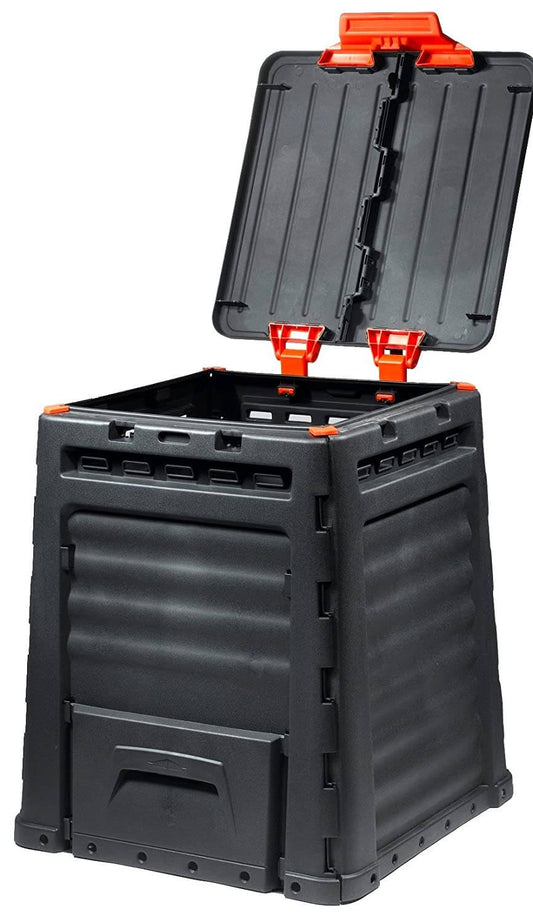
Composter 320L EcoComposter Curver 219452
Vendor:CURVERRegular price 276,00 leiRegular priceUnit price per341,00 leiSale price 276,00 leiSale -
50L bag Universal Campus Vital fertilized soil
Vendor:BrikumRegular price 48,00 leiRegular priceUnit price per62,00 leiSale price 48,00 leiSale


Substratum
What is a substrate and why is it important?
Substrate is the medium in which plants grow, providing the nutrients, air, and water retention necessary for their development. Unlike common garden soil, substrates are specifically formulated to enhance the growth of different types of plants, from flowers to urban gardens and houseplants. Having a good substrate not only helps maintain plant vigor but also improves drainage and prevents compaction, key factors for healthy growth.
Types of Substrates and Their Uses
Choosing the right substrate depends on your plants' needs and the type of project you want to undertake. Here are some common types of substrates and their main applications:
Universal substrate: ideal for most indoor and outdoor plants, this substrate provides a balanced mix of nutrients and good moisture retention.
Urban garden substrate: Formulated with a high content of organic matter, this substrate provides the optimal environment for fruit and vegetable crops, helping to obtain quality harvests.
Substrate for cacti and succulents: with a more sandy texture and excellent drainage, it prevents excess moisture, which is key for these species.
How to buy the best substrate
Selecting the right substrate is essential to the success of any gardening project. At Brikum, we offer a wide range of quality substrates, designed to meet the specific needs of each type of plant. If you have any questions, our team of experts is here to advise you and help you make the right choice. Improve your plants' growth with the right substrate and discover how to achieve a healthy, vibrant garden.
Advantages of the universal substrate
Choosing a universal substrate has several advantages, especially if you have different types of plants and prefer a practical and economical solution:
- Versatility: It is suitable for most plants, such as flowers, small shrubs, and indoor and outdoor plants.
- Moisture retention: Its components allow the plant to receive water constantly without compacting the substrate.
- Efficient drainage: incorporate elements such as perlite or sand to avoid excess water, preventing root problems.
- Easy to use: As it is an already balanced mix, it does not require any additional additives to provide the basic nutrients.
For which plants is the universal substrate ideal?
Universal substrate is suitable for ornamental plants, flowering plants, indoor plants such as pothos and ficus, and some outdoor species that don't have very specific soil requirements. However, for plants with more specific needs, such as cacti, succulents, or vegetable plants, it's advisable to opt for a specialized substrate.
At Brikum, we offer high-quality universal substrate, ready to enhance your plants' growth and maintain a vibrant garden. If you're looking for a practical option for caring for your garden or indoor plants, universal substrate is a reliable and effective choice.