
-
Dewalt D26204K combo milling machine - 900 W (2 in 1)
Vendor:DEWALTRegular price 2.160,00 leiRegular priceUnit price per2.484,00 leiSale price 2.160,00 leiSale -
Dewalt DCW600N 18V XR brushless profiler
Vendor:DEWALTRegular price 1.405,00 leiRegular priceUnit price per1.868,00 leiSale price 1.405,00 leiSale -
Dewalt DCP580NT-XJ Brushless XR 18 Brush
Vendor:DEWALTRegular price 1.343,00 leiRegular priceUnit price per1.596,00 leiSale price 1.343,00 leiSale -
Makita 3711 Straight Base 6mm 530W SAR Milling Machine
Vendor:MAKITARegular price 468,00 leiRegular priceUnit price per717,00 leiSale price 468,00 leiSale -
Makita M3702B 530w 6mm edge milling machine
Vendor:MAKITARegular price 507,00 leiRegular priceUnit price per702,00 leiSale price 507,00 leiSale -
Black&Decker KW1200EKA milling machine - 1,200w with 11 Accessories and case
Vendor:BLACK + DECKERRegular price 524,00 leiRegular priceUnit price per696,00 leiSale price 524,00 leiSale -
Bosch GCU 125-1 AE 12mm 18V Cordless Drywall Router
Vendor:BOSCHRegular price 1.427,00 leiRegular priceUnit price per1.499,00 leiSale price 1.427,00 leiSale -
Electric profiler 590W 34,000 rpm Dewalt DWE6005
Vendor:DEWALTRegular price 1.538,00 leiRegular priceUnit price per1.538,00 leiSale price 1.538,00 lei -
Milling machine 18V 55mm Einhell TP-RO 18/55 Li BL - Solo
Vendor:EINHELLRegular price 975,00 leiRegular priceUnit price per1.072,00 leiSale price 975,00 leiSale -
Battery-powered brush 82mm 18V Bosch GHO 18V-LI
Vendor:BOSCHRegular price 1.532,00 leiRegular priceUnit price per1.532,00 leiSale price 1.532,00 lei -
Dewalt DT90009 18mm TCT straight cutter
Vendor:DEWALTRegular price 130,00 leiRegular priceUnit price per216,00 leiSale price 130,00 leiSale


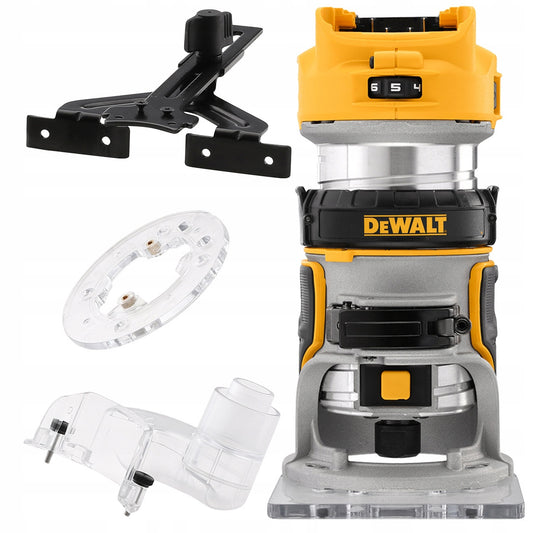


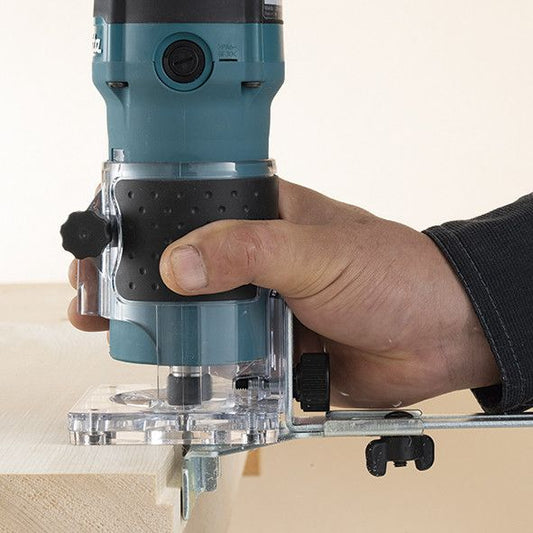


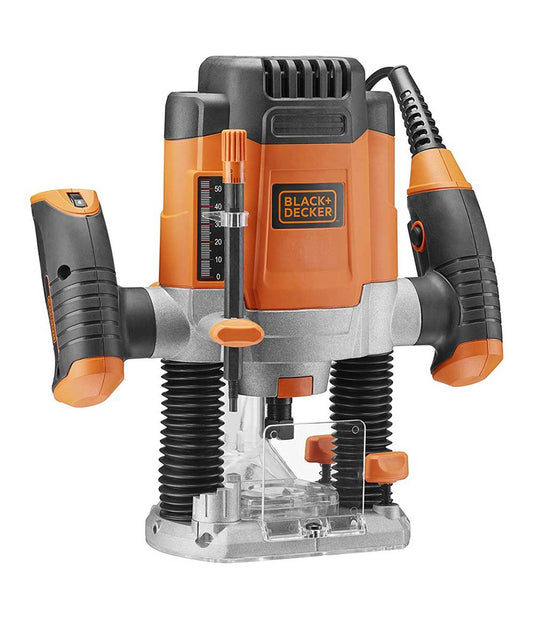


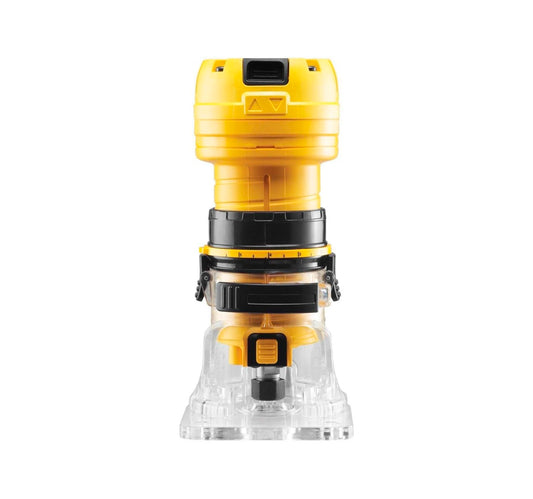

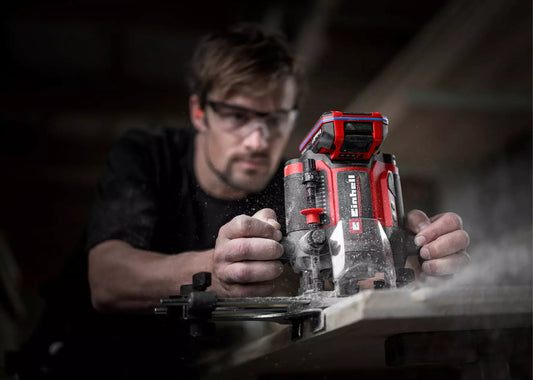

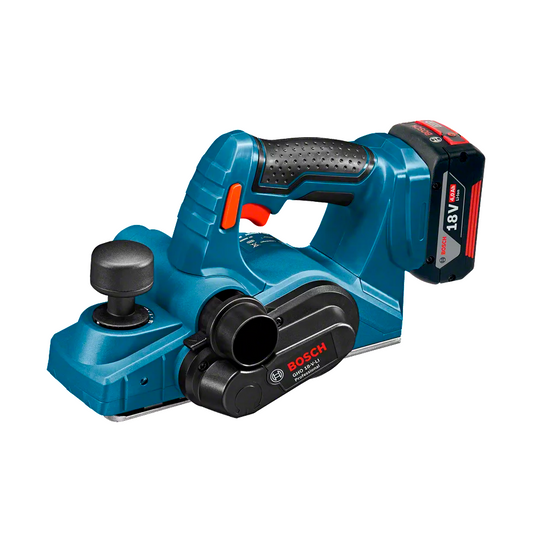


Wood milling machine
At Brikum, we understand that working with wood requires precision, confidence in your tools, and in-depth knowledge of each project. That's why we offer a wide range of wood routers to suit both hobbyists and professionals.
Why choose a wood router?
Wood routers are versatile tools that allow for precise cuts and finishes. From making grooves to bevels, this type of tool is essential for any woodworker. If you're looking to achieve fine details in your projects, a router is the ideal choice.
Types of wood milling machines
It's important to choose the right type of milling machine based on your intended use. Some options include:
- Plunge routers: Ideal for deep and precise cuts.
- Surface milling machines: Perfect for fine finishes and details.
- Combination milling machines: A versatile option for those looking for an all-in-one tool.
Tips for choosing the right milling machine
When selecting your wood router, consider key factors such as motor power, adjustable speed, and ergonomics. It's also essential to consider the durability of the router bits you'll be using, as well as the ease of switching between them.
What is a planer?
A planer is an essential tool for achieving smooth, straight wood surfaces. With it, you can level boards, reduce thickness, and create fine finishes that enhance any woodworking project.
Types of planers
There are different types of planers on the market, each adapted to specific tasks:
- Hand Planers: Perfect for small touch-ups and fine adjustments.
- Power Planers: Ideal for larger jobs where power and speed are required.
- Bench Planers: These more robust machines are perfect for professional or large projects.
Factors to consider when purchasing a planer
When choosing a planer, it's essential to consider factors such as motor power, depth adjustment, and blade durability. Also, be sure to select a tool that offers comfort during use, especially if you plan to work for long periods.